Match Amplified: VPS and infrastructure
- Jesús Rojo Martínez
- 09 May, 2026
VPS and infrastructure: learning the boring stuff that keeps it all running
This post is about the boring stuff that doesn’t make it into demos or screenshots. But without it, nothing runs.
During the Buildathon, we used provided infrastructure. Once I decided to continue building Match Amplified, I needed my own stack. That meant re-learning things I’d barely touched a long time ago, or never dealt with at all.
Choosing a VPS
I looked at several options. Hetzner won on price/performance, especially for a solo side project where every euro counts. A small server with 2 CPU cores was enough to run everything, including Coolify.
Coolify: the piece that made it all manageable
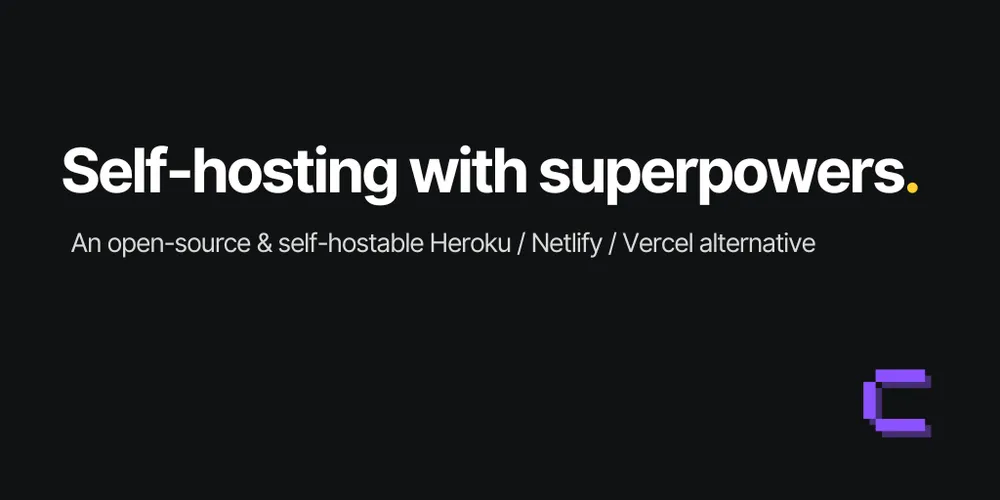
Coolify is a self-hosted PaaS that handles your deployments, Docker containers, SSL certificates (via Let’s Encrypt), and gives you a visual dashboard to manage it all. No manual nginx config. No writing deployment scripts from scratch.
For someone coming from a product background, this was the difference between “I can probably figure this out in less than a weekend” and “this is going to take me several weeks.”
GitHub to production in one push
Coolify connects directly to your GitHub repo and uses webhook triggers. Push to main, and it builds a Docker image and deploys it automatically. That’s it. The entire pipeline (code push, containerisation, deployment) is handled without a single manual step after initial setup.
This changed the development loop completely. Fix something, push, see it live in minutes. No SSH-ing into servers, no manual restarts.
DNS, Cloudflare, SSL
The less glamorous layer: pointing your domain to the right server, routing traffic through Cloudflare for caching and protection, making sure SSL certificates renew automatically. Each piece is simple in isolation. The gotchas are in the interactions: propagation delays, proxy settings that silently break things, certificate renewal edge cases.
Branch strategy: aspirational for now
Ideally you’d have dev, UAT, and production environments, even as a solo builder. In practice, I currently run a single production environment plus local development, with draft n8n workflows acting as a lightweight staging layer. Proper environment separation is on the list. Not urgent for a side project, but I know it matters.
Why any of this matters
None of this is exciting. But it’s real ownership of your stack. When something breaks at 11pm, you can actually fix it, because you understand what’s running and where.
The cost? Under €5/month. The skills? They compound. VPS provisioning, Docker, DNS, CI/CD: none of it is throwaway knowledge. It transfers to every project after this one.
If you’re a solo builder shipping a side project: own your infra. It’s less scary than it looks, and the learning is worth more than the convenience of a managed platform.
Article series on Match Amplified
| # | Topic | JRM Lab | |
|---|---|---|---|
| 1 | The Buildathon and what came after | Buildathon intro on LinkedIn | From the Buildathon to Match Amplified |
| 2 | The agentic AI architecture | Agentic architecture on LinkedIn | Match Amplified: the agentic architecture under the hood |
| 3 | Lovable → Claude Code transition | Lovable to Claude Code on LinkedIn | From Lovable to Claude Code |
| 4 | VPS and infrastructure setup | Infrastructure setup on LinkedIn | this article |
| 5 | What’s already built in Match Amplified | What’s built on LinkedIn | Match Amplified: what’s already built |
| 6 | The roadmap | Roadmap on LinkedIn | Match Amplified: the roadmap |
| 7 | The naming process | Naming process on LinkedIn | Match Amplified: choosing the name |
| 8 | Where this all goes from here | What’s next on LinkedIn | Match Amplified: what’s next |
| Try it live: | matchamplified.com |
| Product Compass AI Gallery: | Match Amplified entry |
| Full case study: | Match Amplified product case study |